

Introduction: Navigating Digital ai-for-short-form-video-marketing-success/”>Marketing in 2026
In 2026, the digital marketing landscape is in a constant state of flux. New technologies, platforms, and audience behaviors emerge seemingly overnight. The rise of artificial intelligence has not only disrupted traditional marketing playbooks but also opened the door to smarter, faster, and more precise consumer engagement. As we approach the mid-2020s, it’s no longer enough to rely on the strategies that worked a few years ago. To thrive, marketers must be nimble, informed, and ready to answer the top digital marketing questions answered for 2026.
Why does this matter? Because getting digital marketing right now means understanding how AI, advanced analytics, and ever-changing SEO rules are shaping the future. Marketers who ask the right questions—and find data-backed answers—will capture more leads, convert more customers, and build stronger brands. Let’s explore the most pressing questions and provide practical insights to drive results in the fast-paced world of 2026.
How Has AI Transformed Digital Marketing Strategies?
AI is no longer a buzzword; it’s the engine driving nearly every aspect of modern marketing. In 2026, artificial intelligence powers campaign automation, fuels hyper-personalization, and delivers predictive analytics that outpace anything human intuition can achieve. Consider how machine learning models now anticipate purchase intent with eerie accuracy, enabling marketers to deliver tailored messages at just the right moment. Gone are the days of “spray and pray” email blasts—AI ensures every touchpoint is informed by real-time data.
Campaign planning has shifted dramatically. AI tools can analyze millions of data points in seconds, identifying trends that humans might miss. For example, brands like Nike and Sephora use AI-driven segmentation to customize product recommendations, increasing both conversion rates and customer satisfaction. Chatbots, powered by natural language processing, now handle complex customer service queries with a personal touch, freeing up human teams for higher-value work.
Predictive analytics has revolutionized execution. Marketers leverage AI to forecast campaign outcomes, adjust budget allocation on the fly, and even generate creative content. Imagine launching a campaign that automatically scales ad spend based on peak engagement hours or adjusts messaging for different audience segments without manual intervention. That’s the new standard in 2026—and those who don’t adapt are left in the dust.
What Are the Most Effective SEO and GEO Tactics for 2026?
When it comes to organic visibility, the rules are always evolving. In 2026, advanced SEO strategies are built around deep understanding of algorithm changes. Google’s AI-driven search now prioritizes semantic relevance over keyword stuffing. This means marketers need to craft content that answers user intent, incorporates natural language, and leverages structured data—think schema markup and rich snippets—to stand out in crowded search results.
Voice search isn’t just a trend; it’s a necessity. With 58% of online searches projected to be voice-driven by late 2026, optimizing for conversational queries and long-tail keywords is crucial. Brands that anticipate how people speak—not just how they type—can grab the lion’s share of organic traffic. Local SEO and GEO-targeting have also matured. Hyper-local content, location-specific offers, and geo-fencing campaigns are vital for businesses seeking to connect with nearby customers. Restaurants, retailers, and service providers now rely on real-time local optimizations to appear in micro-moment searches like “best vegan lunch near me.”
Content strategies must go beyond frequency. In 2026, authority trumps volume. Marketers are using AI to identify content gaps, update evergreen posts, and create multimedia experiences that rank higher. The most successful brands are those who combine technical SEO—fast-loading, mobile-first sites—with engaging, trustworthy narratives that build brand equity over time.
Which Analytics Tools Drive Smarter Marketing Decisions?
Data is gold—but only if you know how to mine it. Marketers in 2026 have access to a dizzying array of analytics platforms, each promising smarter insights and faster reporting. The leaders, however, are those who can turn raw data into actionable intelligence. Platforms like Google Analytics 5, Adobe Experience Platform, and newer AI-native solutions such as ThoughtSpot and Looker are setting the bar. These tools don’t just track page views; they show you where users drop off, which channels drive the highest lifetime value, and which creative elements resonate best at each stage of the funnel.
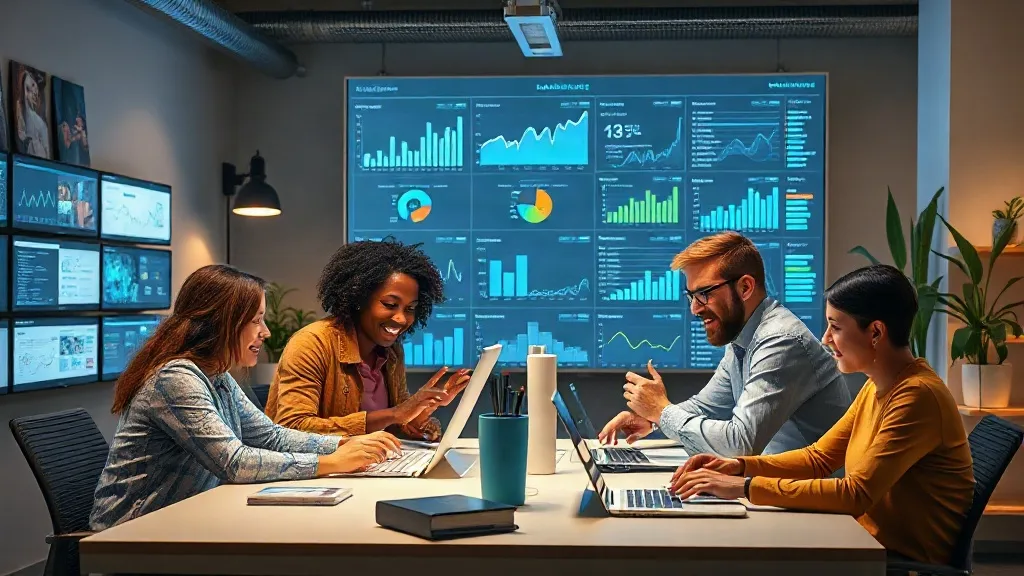
Data visualization is no longer an extra—it’s a requirement. Dashboards that update in real time allow marketers to spot anomalies, test hypotheses, and iterate without waiting for end-of-month reports. Attribution models have grown more sophisticated, enabling teams to assign value to every touchpoint, from first click to final sale. Multi-touch attribution, powered by AI, helps businesses finally answer that age-old question: which half of the ad budget is actually working?
Take, for example, a B2B SaaS company tracking the customer journey across 12 different touchpoints. With advanced analytics, the team can see how a LinkedIn ad, a webinar, and a series of nurture emails contribute to pipeline velocity. Armed with these insights, budget allocation becomes less guesswork and more science.
What Skills Will Marketers Need to Succeed in 2026?
The skills gap in digital marketing is widening, and the bar keeps rising. In 2026, the most sought-after marketers are those who can blend creativity with analytical rigor. Data-driven decision-making isn’t just a buzzword—it’s the foundation of every campaign. Marketers must be comfortable interpreting dashboards, running A/B tests, and translating numbers into actionable recommendations. But that’s just the start.
AI literacy is fast becoming non-negotiable. Marketers need to understand how machine learning models function, what biases may exist within data, and how to spot automation gone awry. Strategic thinking remains king: with so many tools and channels available, only those who can set clear objectives and devise cross-channel strategies will cut through the noise.
Adaptability is another must-have. The platforms we use today may not exist tomorrow. Marketers must learn to pivot, experiment with emerging formats, and continually upskill. Soft skills matter, too. The ability to tell compelling stories, build trust, and lead cross-functional teams is what separates average marketers from industry leaders in 2026.
How Can Businesses Optimize Digital Advertising for Maximum ROI?
Digital advertising in 2026 is a game of precision. Programmatic advertising has matured, with AI-driven platforms optimizing bids and creative placements in real time. To maximize ROI, businesses are segmenting audiences at a granular level—sometimes down to individual households. Personalized ad creative, informed by first-party data, ensures that every impression counts.
Creative testing isn’t optional. The best-performing brands are running hundreds of micro-variants simultaneously, using AI to identify top-performers and automatically adjust campaigns. For example, a fashion retailer might test 50 ad headlines, 20 images, and 10 calls-to-action, letting machine learning surface the combinations that drive the most sales. This relentless experimentation delivers better results than any single “big idea.”
Budget allocation needs to be fluid. Rather than locking in spend by channel at the start of the quarter, top marketers rely on real-time analytics to shift dollars to the highest-performing campaigns. Smart bidding, responsive ad formats, and dynamic creative optimization are now standard. Want to stretch your ad dollars further? Focus on lifetime value, not just cost-per-acquisition. Invest in retargeting, nurture sequences, and loyalty programs that turn one-time buyers into brand advocates.
Conclusion: Preparing for the Future of Digital Marketing
The digital marketing world of 2026 is both exhilarating and unforgiving. AI, SEO, analytics, and advertising technology are advancing at breakneck speed. Marketers who can answer the top digital marketing questions answered for 2026 will be those who stay curious, embrace change, and continually invest in new skills. The stakes are high, but so are the rewards for those willing to adapt.
If there’s one lesson to carry forward, it’s that continuous learning is not a luxury—it’s a necessity. Sign up for that AI bootcamp, experiment with the latest analytics tool, or pilot a new ad format. Measure, iterate, and never settle for “good enough.” The brands that win in 2026 will be those who see every disruption as an opportunity and every question as a chance to get smarter. The future is being written now—will you lead or follow?
Frequently Asked Questions
What are the most important digital marketing trends for 2026?
In 2026, key digital marketing trends include AI-driven personalization, immersive experiences through AR/VR, voice search optimization, and privacy-focused strategies. Marketers should prioritize adapting to emerging technologies and evolving consumer privacy expectations.
How can businesses effectively use AI in their digital marketing strategies by 2026?
Businesses can leverage AI for advanced customer segmentation, predictive analytics, and personalized content delivery. Implementing AI-powered chatbots and automation tools will also enhance customer engagement and streamline marketing operations.
What role will social media play in digital marketing in 2026?
Social media will remain a vital channel, with new platforms and formats emerging. Authentic influencer partnerships, short-form video content, and interactive features will be crucial for audience engagement and brand growth.
How can marketers address increasing data privacy concerns in 2026?
Marketers must prioritize transparency, obtain explicit user consent, and utilize privacy-compliant data collection methods. Adopting first-party data strategies and adhering to evolving regulations will help build trust and maintain compliance.
What skills will digital marketers need to succeed in 2026?
Digital marketers will need strong analytical skills, adaptability to new technologies, and expertise in data-driven decision-making. Proficiency in AI tools, content creation, and understanding consumer behavior will be essential for success.