

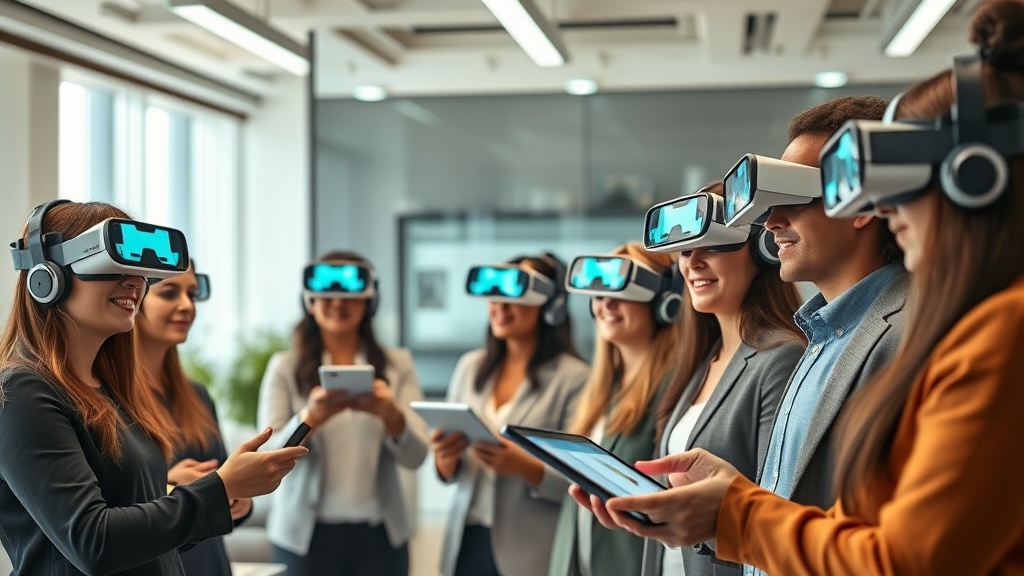
Introduction: The Intersection of AI and Augmented Reality in Marketing
The marketing world is undergoing rapid transformation, and the convergence of artificial intelligence with augmented reality is at the center of this revolution. Marketers who once relied on static ads and scripted campaigns are now embracing immersive, interactive technologies powered by AI. This isn’t just another fleeting trend. Brands are racing to offer richer, more memorable experiences as customer expectations sharpen and attention spans shrink. In this landscape, how AI is enhancing augmented reality in marketing isn’t a theoretical question—it’s a strategic imperative.
Immersive technologies like AR have already disrupted traditional advertising, but adding intelligent automation creates possibilities that were unimaginable just a decade ago. We’re witnessing a shift: marketing is no longer about simply pushing messages. With AI and AR combined, it’s about engaging customers in dynamic, personalized journeys. Whether through virtual try-ons, interactive product demos, or location-based storytelling, brands leveraging these tools are setting new standards in the art of persuasion. The stakes are high, and the payoff is higher still.
So why does this convergence matter now? Because consumer behaviors are changing at lightning speed. Today’s audiences demand experiences that feel tailored, seamless, and, frankly, delightful. AI-powered AR delivers on all fronts, offering marketers the ability to adapt on the fly and connect with customers in ways that feel both magical and meaningful. The result? Not just attention, but real engagement—and more importantly, action.
How AI Powers Augmented Reality Experiences
At its core, AI acts as the brain behind the scenes, turning augmented reality from a visual novelty into a truly interactive medium. Advanced algorithms handle real-time object detection, allowing AR apps to recognize faces, products, or even specific gestures in milliseconds. When a customer points their phone at a shoe, for instance, AI identifies not just the object, but its brand, color, and even style—then triggers a tailored AR overlay. That’s sophistication you can’t fake.
Scene understanding is another frontier. AI enables AR to interpret complex environments, differentiating between surfaces, lighting, and spatial cues. Think of IKEA’s Place app: the AI ensures that a virtual couch sits convincingly in your living room, respecting shadows and scale. Without machine learning, this level of realism would be impossible. The result is a frictionless blend between digital elements and the real world, driving deeper immersion for the user.
Dynamic content adaptation is where the magic truly happens. AI continually processes incoming data—from user movements to environmental changes—and adjusts AR content in real time. Imagine an in-store AR display that adapts its visuals based on shopper demographics or even their facial expressions. The experience feels unique because it is. This isn’t just about wowing customers; it’s about offering genuinely useful, relevant interactions that move the needle for brands.
Personalization and Customer Engagement Through AI-Driven AR
Personalization is the holy grail of modern marketing, and here’s where AI-driven AR shines brightest. By analyzing vast streams of user data—including browsing history, purchase patterns, and social signals—AI tailors each AR experience to the individual. Gone are the days of one-size-fits-all promotions. Now, a user might see product recommendations in AR based on their unique preferences, right down to their favorite color or size.
Consider cosmetics brands like Sephora, which use AI-powered AR to let users virtually try on makeup. The system analyzes skin tone, previous purchases, and even current trends to suggest the most flattering shades. This isn’t just a gimmick; it’s a powerful engagement tool. Customers spend more time interacting with the brand, and the path from curiosity to purchase becomes nearly seamless.
Interactive demos are another game-changer. Automotive companies, for example, let users explore car interiors through AR, with AI serving up feature explanations based on the user’s interests or questions. The result? Higher engagement, longer dwell times, and a significant lift in conversion rates. When marketing feels personal and responsive, customers don’t just notice—they remember.
Beyond the individual, AI-driven AR fosters brand loyalty by making every interaction feel fresh and relevant. Whether it’s gamified product hunts or virtual pop-ups tailored to local events, the message is clear: this brand knows you, and it values your time.
Optimizing Marketing Campaigns with AI Insights in AR
Effective marketing isn’t just about creative execution—it’s about learning and optimizing in real time. Here’s where AI’s analytical prowess takes center stage. Every AR interaction generates a wealth of data: which features get the most engagement, how long users linger, what triggers conversion. AI automates the collection and analysis of this data, surfacing insights that would otherwise be lost in the noise.
Take campaign targeting, for example. With AI crunching the numbers, marketers can see not only who is interacting with their AR content, but also how different segments respond. Maybe Gen Z shoppers love interactive games, while millennials gravitate toward virtual try-ons. These aren’t just vanity metrics—they inform real decisions about creative direction, media spending, and user experience design. According to a Deloitte study, campaigns informed by AI insights see up to a 30% higher ROI than those relying on traditional analytics alone.
Messaging can also be fine-tuned on the fly. If an AR promotion falls flat with a certain audience, AI can quickly identify the issue—be it messaging, visuals, or call-to-action placement—and suggest adjustments. This kind of agility is priceless in competitive industries where timing is everything. The days of ‘set it and forget it’ campaigns are over; now, ongoing optimization is the name of the game.
In the big picture, AI-enhanced AR offers a feedback loop that never sleeps. Marketers no longer have to guess what works—they have the data to prove it, and the tools to act on it instantly. This is marketing with both heart and brains.
Real-World Examples: Brands Leveraging AI-Enhanced AR
Let’s get specific. The marriage of AI and AR isn’t just theory—it’s powering some of the most innovative marketing campaigns on the planet. Take L’Oréal, for starters. Their AI-driven ModiFace technology lets users virtually try on makeup across hundreds of shades using nothing but their smartphone camera. The AI detects facial features with stunning accuracy, ensuring lipstick or blush appears exactly where it should. The payoff? A 49% increase in online conversions, according to company reports.
Nike has also thrown its hat into the ring, using AI-enhanced AR for its SNKRS app. During limited-edition releases, users can unlock exclusive sneakers by scanning real-world objects—murals, posters, even shop windows. AI identifies the object, verifies authenticity, and delivers a unique AR experience. This approach doesn’t just create buzz; it drives real-world foot traffic and builds community around the brand.
Retailers aren’t the only ones cashing in. Automotive brands like Porsche have rolled out AI-powered AR showrooms, where prospective buyers can customize vehicles in real time and see their changes instantly rendered on a physical model. Hospitality brands, too, are experimenting: Marriott’s “Portal to Paradise” campaign used AI to adapt AR vacation previews based on a user’s travel history and stated preferences.
The numbers tell the story. According to Statista, global spending on AR marketing is projected to reach $2.4 billion by 2027, with AI-driven personalization cited as the top growth driver. Brands aren’t just dabbling—they’re going all in, and customers are rewarding them for it.
Challenges and Future Trends in AI-Driven AR Marketing
Of course, no frontier comes without hurdles. One of the biggest challenges with AI-enhanced AR is data privacy. As marketers gather ever more granular data to fuel personalization, the line between helpful and intrusive can blur. Regulations like GDPR and CCPA force brands to tread carefully. Transparency and consent aren’t just legalities—they’re essential for trust.
Technical limitations persist as well. Building convincing AR experiences demands substantial processing power and seamless integration between software and hardware. AI models must be robust enough to function across different devices and lighting conditions. Not every brand has the budget or expertise to pull this off—at least, not yet. And there’s the ever-present risk of overpromising and underdelivering, which can backfire spectacularly in the social media age.
Yet, the future looks bright. As edge computing and 5G roll out globally, real-time AI-driven AR will become more accessible and reliable. We’re already seeing early experiments with generative AI, which could enable brands to create entirely new AR content on the fly, based on user interactions or current events. Expect deeper integration with wearables and IoT as well, turning everyday environments into marketing canvases.
Ethical considerations will only grow in importance. Brands must prioritize responsible AI use, ensuring algorithms are fair and experiences respect user agency. The companies that get this balance right will not only win market share—they’ll earn lasting loyalty. AI and AR are reshaping marketing, but human values will always matter most.
Conclusion: The Transformative Impact of AI on Augmented Reality Marketing
To sum up, how AI is enhancing augmented reality in marketing is no longer a question of if, but how far brands are willing to go. The fusion of intelligent automation and immersive technology is delivering unprecedented levels of personalization, engagement, and insight. Marketers who harness these tools aren’t just keeping up—they’re setting the pace.
The benefits are clear: smarter targeting, more memorable experiences, and campaigns that improve with every interaction. As the technology matures, we’ll see even greater creativity and sophistication, making today’s innovations look tame by comparison. For businesses willing to invest, the rewards will be tangible—measured not only in conversions and ROI, but in brand loyalty that lasts.
In the end, the story is simple: AI and AR together are rewriting the rules of marketing. The only question is, will your brand be part of the next chapter?
Frequently Asked Questions
How is AI improving augmented reality experiences in marketing?
AI enhances augmented reality (AR) in marketing by enabling real-time object recognition, personalized content delivery, and interactive experiences. This makes AR campaigns more engaging and relevant to individual users, increasing customer satisfaction and conversion rates.
What role does AI play in personalizing AR marketing campaigns?
AI analyzes customer data and behavior to tailor AR content to individual preferences. This personalization leads to more meaningful interactions, helping brands deliver targeted messages and offers that resonate with each user.
How does AI-driven AR benefit customer engagement in marketing?
AI-driven AR creates immersive and interactive experiences that capture users’ attention and encourage participation. These engaging experiences can boost brand loyalty, increase dwell time, and drive higher engagement rates.
What are some examples of AI-powered AR in marketing today?
Examples include virtual try-on tools for fashion and cosmetics, interactive product visualizations, and AI-powered AR filters on social media platforms. These applications use AI to enhance realism and provide personalized recommendations.
How can businesses get started with AI-enhanced AR marketing?
Businesses can begin by identifying marketing goals and partnering with AR and AI technology providers. Starting with pilot projects, collecting user feedback, and iterating on experiences will help refine strategies and maximize ROI.