

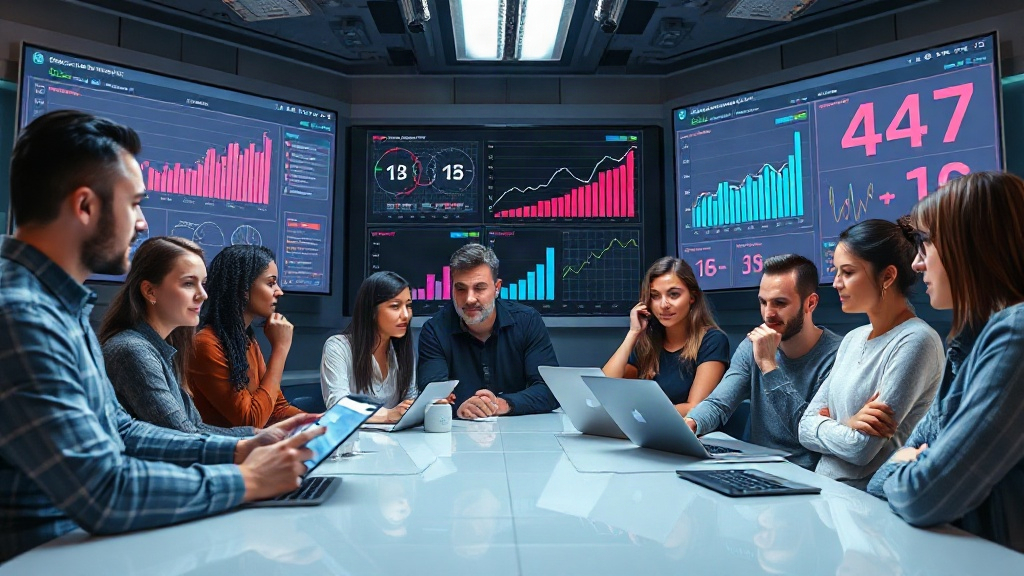
Introduction: The AI Revolution in Influencer Marketing
Take a step back and look at influencer marketing five years ago. Brands hunted for Instagram stars by scrolling endlessly, guessing at engagement numbers, and crossing their fingers about authenticity. Fast-forward to now: artificial intelligence is transforming influencer marketing strategies from a game of chance to a data-driven science. AI isn’t just a buzzword anymore. It’s quietly rewriting the rules, blending deep analytics with creative flair, and placing powerful tools directly into marketers’ hands.
This shift is seismic. Influencer marketing, once powered by gut feelings and surface-level stats, now rides on the back of machine learning, predictive analytics, and automation. Brands are no longer lost in a sea of social personalities; they’re using AI to sift through the noise, making smarter choices faster. As a result, campaigns are sharper, outcomes more measurable, and the risk of wasted spend is dropping. It’s a revolution that’s just picking up speed—and it’s changing who gets noticed, how partnerships form, and what defines success.
So, what does this AI-driven era really look like for influencer marketing? Let’s dig into the nuts and bolts, starting with how brands now find the perfect match in a crowded digital world.
AI-Powered Influencer Discovery and Selection
Gone are the days when marketers relied solely on manual searches or superficial follower counts to discover potential partners. AI-powered platforms now crunch millions of data points across social networks, analyzing everything from audience demographics and content themes to engagement rates and influencer authenticity. This isn’t just a time-saver—it’s a game-changer for accuracy and scale.
Take, for example, how AI tools like CreatorIQ and Upfluence analyze influencer posts, audience sentiment, and even detect fraudulent activity like bot-driven likes. Instead of picking influencers based on popularity alone, brands can now zero in on those with genuine reach among targeted segments. The technology sifts through micro and nano influencers who may have small but fiercely loyal followings—often driving higher conversion rates than mega-stars.
Beyond mere numbers, AI can assess engagement quality, spotting patterns that indicate authentic, long-term connections between influencers and their followers. It’s not just about who shouts the loudest, but who actually listens and responds. For example, a 2023 survey by Influencer Marketing Hub found that 63% of marketers using AI reported significantly improved match accuracy—meaning fewer mismatches and wasted partnerships.
The days of influencer roulette are over. With AI as the matchmaker, brands are finding their needle in the haystack faster, more efficiently, and with greater confidence in the real-world impact of their collaborations.
Optimizing Campaign Management with Automation
Running an influencer campaign used to mean juggling countless spreadsheets, emails, and reminders. Now, AI-driven automation strips away this chaos, leaving marketers and influencers free to focus on creativity and relationships. From content scheduling to contract management, AI handles the grunt work behind the scenes.
Imagine launching a campaign with a dozen influencers across three platforms. AI-powered tools automatically schedule posts for optimal times, track live performance analytics, and even flag compliance issues or missed deadlines in real time. This level of automation translates into fewer headaches and more time spent on strategic thinking. It’s no wonder that influencer campaign managers report up to a 40% reduction in administrative workload after adopting AI-based platforms.
But it doesn’t stop there. AI can optimize the creative process as well, suggesting content types, hashtags, and even wording that historically performs well with certain audiences. The result? Campaigns that resonate better, roll out seamlessly, and stay agile—because changes can be made on the fly, backed by real-time data rather than gut instinct.
Efficiency isn’t just about speed. It’s about freeing creative minds from repetitive tasks so they can focus on what matters most: building authentic connections and driving results.
Predictive Analytics: Maximizing ROI in Influencer Marketing
Here’s where the rubber meets the road: how AI is transforming influencer marketing strategies by predicting outcomes before a single post goes live. Using predictive analytics, brands can now forecast metrics like reach, engagement, and even sales conversions with remarkable accuracy. This means marketing budgets aren’t just spent—they’re strategically invested for maximum return.
AI sifts through historical campaign data, current trends, and audience behaviors to anticipate what will work and what won’t. For example, predictive models can recommend shifting budget towards influencers who are statistically more likely to drive conversions during a specific campaign window. This is not hypothetical—according to Statista, nearly 74% of marketers using AI-driven influencer platforms in 2023 reported a significant improvement in ROI measurement and optimization.
Consider a cosmetics brand planning a product launch. With AI, marketers can simulate various campaign scenarios: Will a TikTok blitz outperform a series of Instagram stories? How do engagement rates shift with different content formats? Predictive analytics answer these questions before dollars are spent, reducing risk and fine-tuning strategy in real-time. The result is clear: campaigns are no longer a shot in the dark, but a calculated bet with the odds stacked in your favor.
In a world where every marketing dollar is scrutinized, AI’s predictive prowess isn’t just welcome—it’s essential for staying ahead of the competition.
Data-Driven Personalization and Audience Targeting
Personalization is no longer a nice-to-have; it’s the secret sauce of successful influencer marketing. AI excels here by mining vast reservoirs of audience data—interests, behavior patterns, browsing history, and even sentiment. The result? Campaigns that speak directly to individuals, not just demographic groups.
Picture this: a fitness brand wants to target Gen Z females interested in eco-friendly products. AI maps out influencers whose followers fit this precise profile, then helps craft messages that echo the audience’s language, values, and aspirations. No more generic promos—each campaign feels hand-crafted, often using dynamic creative tailored to micro-segments within an influencer’s following.
This approach pays off. A 2023 Deloitte study found that AI-personalized influencer content drove 31% higher engagement rates on average than traditional, broad-based messaging. It’s not just about reaching people—it’s about reaching the right people, at the right moment, with the right message.
It’s easy to see why brands are leaning into AI for audience targeting. In a crowded marketplace, relevance and resonance are everything—and AI delivers both at scale.
Ensuring Authenticity and Brand Safety with AI
No marketer wants their brand associated with fake followers, fraudulent activity, or controversial content. Here, AI acts as both watchdog and guardian, using sophisticated algorithms to vet influencers and monitor ongoing behavior. The stakes are high: one misstep can lead to reputational damage or wasted spend.
Modern AI tools scan influencer profiles for signs of inauthentic activity—sudden follower spikes, engagement pods, or bot comments. According to HypeAuditor, 49% of Instagram influencers had some percentage of fake followers in 2023. AI can flag these red flags instantly, saving brands from costly mistakes before contracts are signed.
Brand safety goes beyond authenticity. AI-powered monitoring systems scan content for inappropriate language, off-brand messaging, or regulatory compliance issues. For instance, if an influencer inadvertently posts content that breaches advertising guidelines, AI can alert brands in real time, mitigating risk before it snowballs into a PR headache.
The bottom line: AI doesn’t just enhance campaign results—it protects brands’ reputations and investments, making influencer collaborations safer and more transparent than ever before.
Conclusion: The Future of Influencer Marketing with AI
AI has kicked open the door to a new era in influencer marketing. Where once brands fumbled in the dark, they now move forward with clarity, precision, and confidence. From the earliest stage of influencer discovery to the final performance report, artificial intelligence underpins smarter decisions, greater efficiency, and more authentic connections.
Looking ahead, expect AI to embed itself even deeper—think real-time campaign adjustments, hyper-personalized content at scale, and predictive models that learn alongside evolving digital cultures. The pace of change is relentless, and those who hesitate risk being left behind.
For marketers, the practical takeaway is clear: embrace AI-powered tools, invest in data literacy, and don’t be afraid to experiment. The brands that thrive will be those who combine human creativity with machine intelligence, turning the art of influence into a finely tuned science. The revolution isn’t coming—it’s already here. The question is, are you ready to ride the wave?
Frequently Asked Questions
How is AI changing the way brands identify influencers?
AI leverages data analysis and machine learning to quickly scan social media platforms and identify influencers whose audiences align with a brand’s target market. This streamlines influencer discovery and ensures more precise matches for marketing campaigns.
What role does AI play in measuring influencer campaign performance?
AI tools can track real-time metrics such as engagement, reach, and conversion rates, providing brands with actionable insights. This enables marketers to optimize their strategies and maximize return on investment.
Can AI help prevent influencer fraud?
Yes, AI algorithms can detect suspicious patterns like fake followers or engagement, helping brands avoid fraudulent influencers. This ensures more authentic and effective collaborations.
How does AI personalize influencer marketing campaigns?
AI analyzes audience data to help brands tailor content and messaging for specific demographics. This personalization increases relevance and effectiveness, leading to higher engagement rates.
What future trends in influencer marketing are driven by AI?
AI is driving trends such as predictive analytics for campaign outcomes, automated content creation, and more sophisticated audience segmentation. These advancements are making influencer marketing more efficient and data-driven.